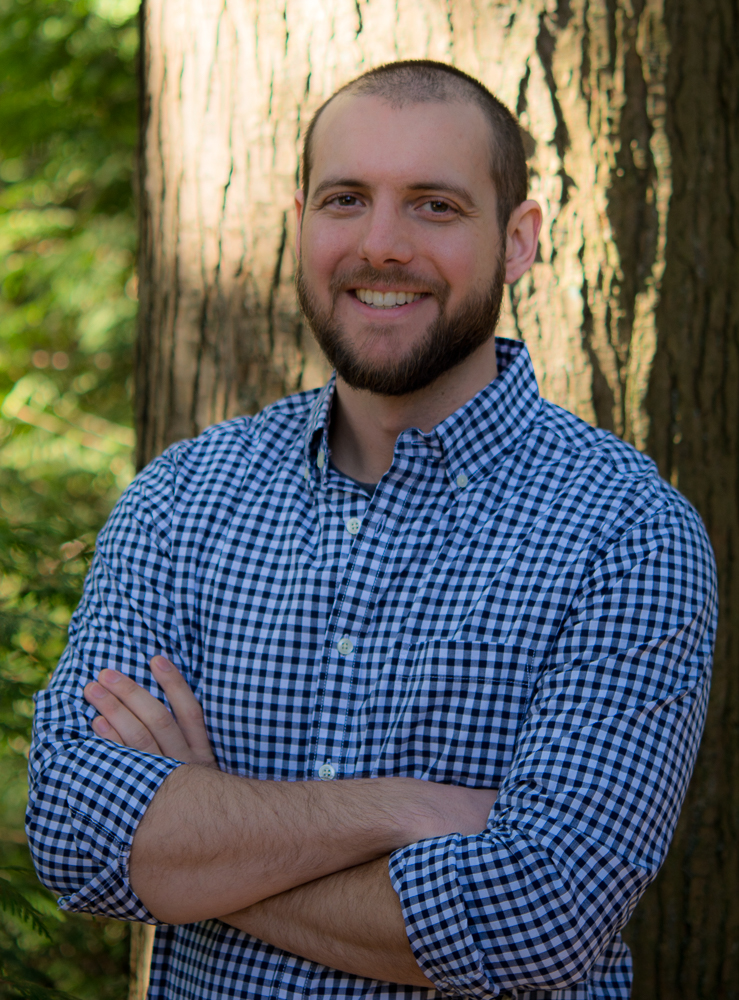
Doug P. VanderLaan, Ph.D. Dr. VanderLaan, Director of the Biopsychosocial Investigations of Gender Laboratory, is an Associate Professor in the Department of Psychology at the University of Toronto Mississauga and a Collaborator Scientist in Child and Youth Psychiatry at the Centre for Addiction and Mental Health in Toronto. Prior to these appointments, he completed a postdoctoral fellowship at the Centre for Addiction and Mental Health, a Ph.D. and M.Sc. in Psychology at the University of Lethbridge, and a B.A. (Hon.) in Psychology at McMaster University. Email: doug.vanderlaan@utoronto.ca. Faculty Webpage
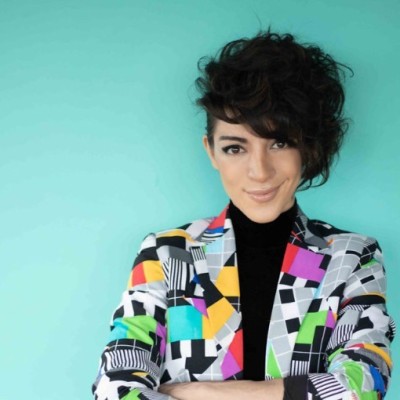
Diana Peragine, Ph.D., Postdoctoral Fellow. Diana views sexual development through a biopsychosocial lens. Her M.Sc. work used an animal model with the strictest social and reproductive hierarchy among mammals to reveal the neuroendocrine pathway by which social marginalization can block puberty. Diana's later Ph.D. and ongoing work examines human sexual development from a privilege perspective, acknowledging that gender inequality extends from the boardroom to the bedroom. Drawing from work on the pleasure gap at sexual debut, and sexual conditioning in nonhuman animals, it asks whether gender differences in sexual response still arise when women’s first sexual encounters are as rewarding as men’s. Diana’s other projects focus, broadly, on the origins of sexual and gender diversity in women and queer people who experience sex-based marginalization. Outside the lab, Diana enjoys fusing science and art with Science Rendezvous, ROM Friday Night Live, and her own outreach initiatives, including STEM Education Scholarship and the SEXposium Science Outreach Conference. Email: d.peragine@utoronto.ca

Monika Folkierska-Żukowska, PhD, Postdoctoral Fellow. Monika earned her Ph.D. from the University of Warsaw, Poland, where she studied the functional brain correlates of sexual orientation in men. She is currently a recipient of a CIHR Postdoctoral Fellowship. Her research focuses on how sex assigned at birth, gender identity, and the use of puberty blockers in trans youth relate to brain development during adolescence. Using multimodal magnetic resonance imaging in a longitudinal study, she aims to provide holistic insights into these relationships. Monika also explores the biodevelopmental bases of sexual and gender diversity across cultures, including the diverse biological pathways contributing to sexual orientation. Her additional research interests include LGBTQA+ wellbeing, asexuality, and aromanticism. Email: monika.folkierska@utoronto.ca
 Priscilla Fung, PhD, Postdoctoral Fellow. Priscilla is a recipient of the SSHRC Postdoctoral Fellowship. Building on her PhD research in child language acquisition, her postdoctoral work examines the intersection of language and gender development. Her earlier work has shown that cisgender boys and girls as young as 2.5 years already differ in how they speak, despite having no physiological differences in their vocal tract anatomy at this age. Her postdoctoral research extends this work by examining gendered speech development across cultural contexts and by studying both cisgender and gender-diverse children in Thailand, where gender diversity is more visible and socially accepted. In collaboration with Dr. Jessamyn Schertz (Department of Language Studies, UTM), she uses acoustic analysis to examine how children use speech to express gender and whether these differences are perceptible to listeners. Email: priscilla.fung@mail.utoronto.ca Personal Site: https://prisfpy.wixsite.com/priscillafung

Ashley Dhillon, Ph.D. Student. Ashley is a SSHRC CGS-M holder and is interested to investigate cross-cultural variations in gender development, primarily in the areas of child and adolescent gender identity, essentialist thinking about gender, and psychosocial outcomes of gender-nonbinary children. Her doctoral research also focuses on how gender-diverse and cisgender children in Thailand conceptualize and reason about gender, and how this might compare to children raised in Western, Education, Industrialized, Rich, and Democratic (WEIRD) societies. Email: ash.dhillon@mail.utoronto.ca

Daisy Hu, Ph.D. Student. Daisy is funded by an Ontario Graduate Scholarship to conduct brain imagining studies investigating the biodevelopmental bases of sexual and gender diversity cross-culturally. Additionally, Daisy is interested in the evolutionary origins of same-sex sexuality. Email: daisy.hu@mail.utoronto.ca
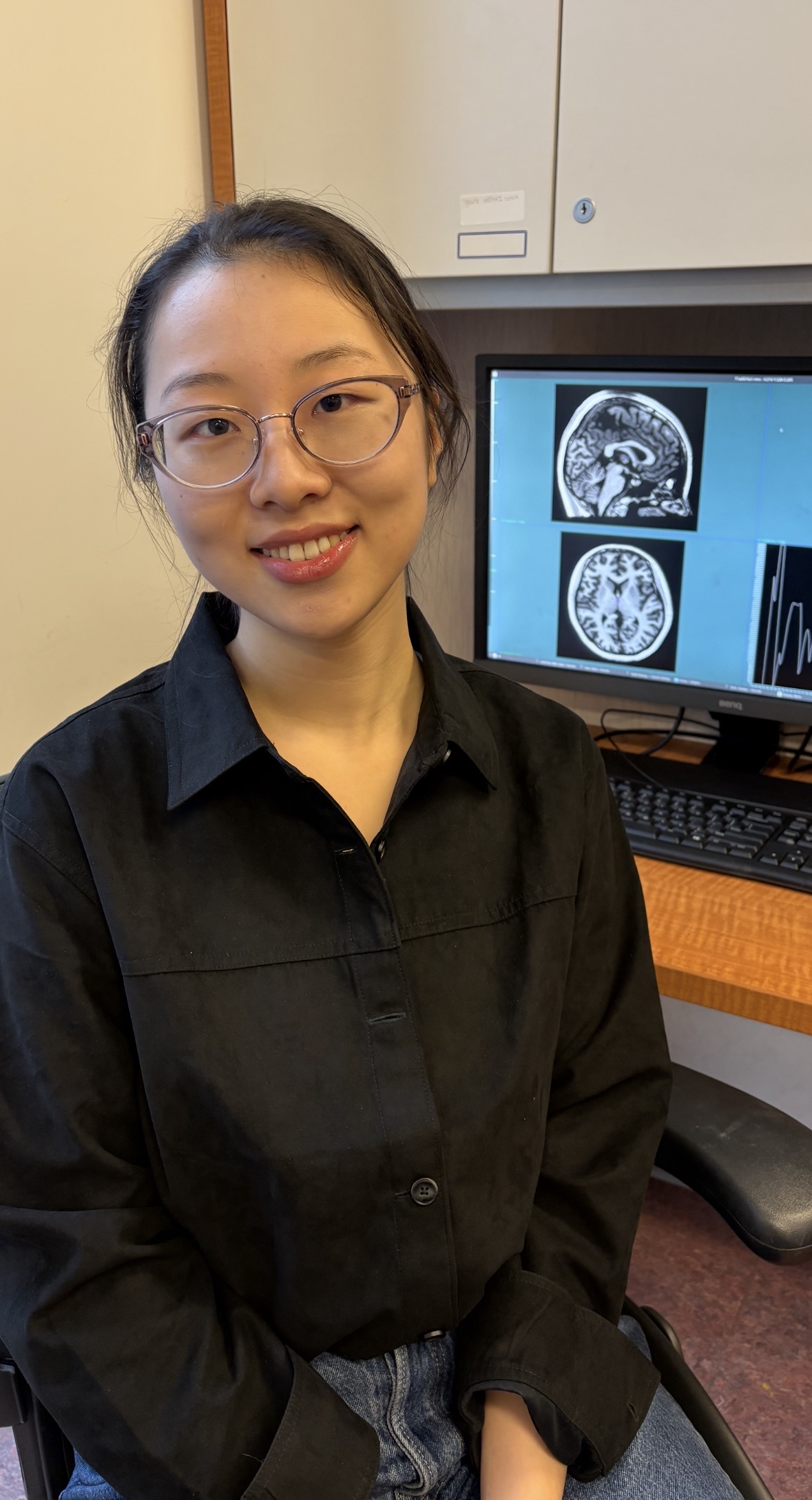
Xinni (Zene) Wang, Ph.D. Student.
Xinni is interested in understanding the mutual interactions between mind and body through the lens of embodiment theory, and how socio-cultural contexts affect human biopsychology. Her doctoral research utilizes neuroimaging (specifically, MRI) to investigate the associations between brain functional connectivity and gender identity, sexual orientation, and hormonal profiles, examining how these neural patterns relate to mental health outcomes across diverse socio-cultural contexts. Email: zene.wang@mail.utoronto.ca
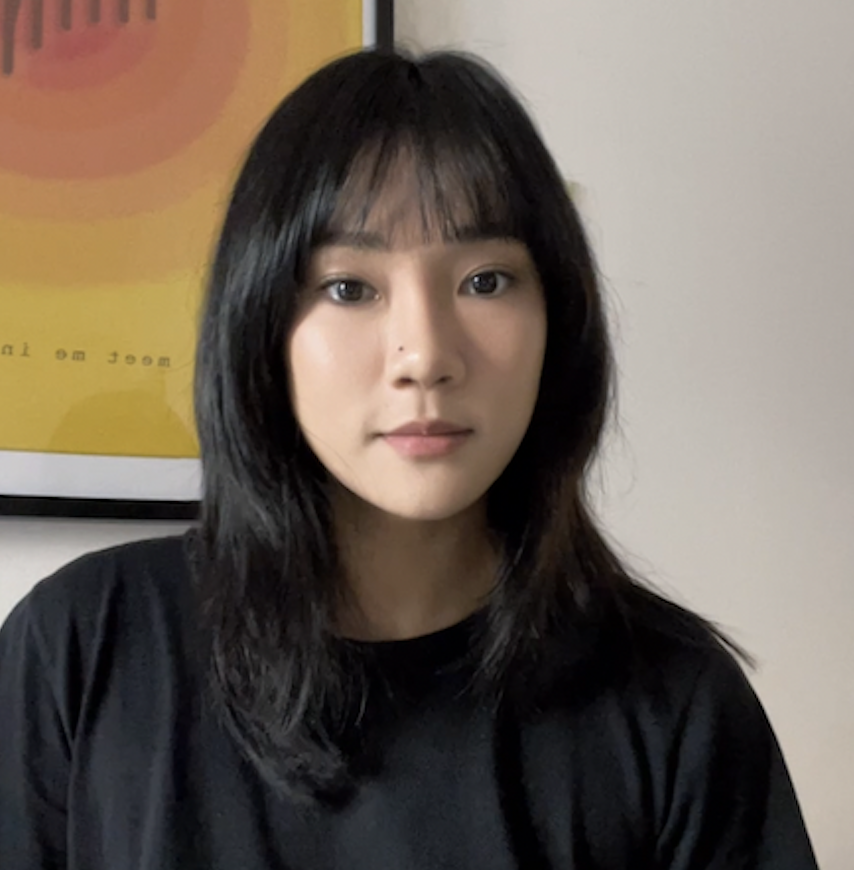
Jordan Yang, Research Assistant. Jordan is assisting with a neuroimaging project at CAMH that investigates the relationship between gender identity, hormonal therapies, and brain changes over time. Jordan is also completing an M.Sc. degree in Cognitive Science at McMaster University. Email: jordan.yang@camh.ca